Hemp is known widely for its CBD products but we’ve found a way to utilize all parts of the plant, specifically the seed. Hemp Aid uses varieties of hemp that are bred for higher nutritional value to create solutions for the Afghan food crisis.
Hemp plants produce seeds that are harvested then cold pressed to extract oil. The oil itself can be taken as dietary supplements, used in recipes, or made into lotions, and is packed with omega 3,6, and 9 fats (all of the “good fats”). Once oil is extracted, the seed’s hull and heart remain and are highly concentrated with protein and fiber. This material gets ground and processed into hemp flour, making it a great baking ingredient that is gluten-free and loaded with more nutrients than other flours.
This flour is a notable protein source as just a 100g serving provides 33g of protein. Hemp flour also supplies all 9 essential amino acids, is abundant in vitamin E, magnesium, phosphorus, and potassium, while additionally supplying zinc, iron, and B vitamins. The immense nutrition packed into hemp seeds is known to promote heart and brain health, reduce inflammation, and improve skin conditions.
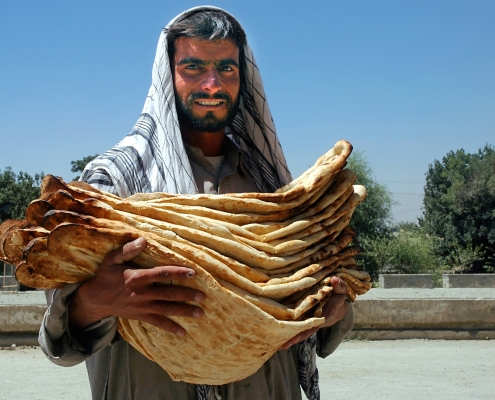
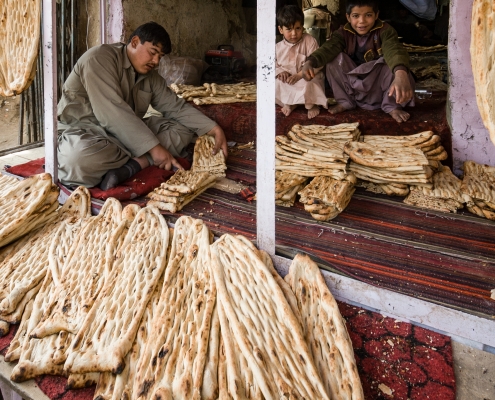
Hemp Aid has incorporated this plethora of antioxidants, vitamins, minerals, and protein into the Afghan diet by making a hemp-infused naan. As naan bread is an Afghan staple, those eating our hemp flour-based naan are consistently feeling fuller and healthier and can lead a happier life.
Community Benefits
Hemp Aid’s naan products positively serve not only those enjoying the bread, but also those that grow it, and even the entire nation.
Consumers
The consumers of our hemp-infused naan directly receive health benefits including protein, fiber, and other essential vitamins and minerals. As we continue to produce this nutritious bread, the burdens of the Afghan hunger crisis diminish.
Farmers
Hemp Aid connects with farmers and educates them on the cultivation practices of hemp. The opium market proved unsustainable and unhealthy for the country and took advantage of the farmers. As we move forward to replace opium poppy farms with hemp, the farmer’s success and power is at the forefront of our priorities. Farming hemp broadens farmers’ market opportunities as this plant not only provides flour and oil, but can also be used in making clothes, shoes, paper, and even bricks. Astonished by this versatility, one of our farmers noted that “every part of this plant is useful.” It is empowering to see Afghan farmers solve their own country’s food crisis by growing hemp and putting a nutritious twist on their original bread.
Nation
90% of the world’s opium and heroin is supplied from Afghanistan, meaning that the Afghan economy relies on an extremely unhealthy and precarious industry which has sparked a heroin problem in their own country. As food insecurity stretches across this nation, many cover their hunger by the high of heroin. Hemp Aid works towards ending this hunger-induced drug crisis by replacing opium farms with hemp. This transition would single-handedly provide nutritious hemp products to people as well as extinguish Afghanistan’s heroin problem. Throughout Hemp Aid’s journey, we have educated powerful figures on the nutritional benefits of hemp and have broken down misconceptions about this plant. This project can reverse the damaging effects of the opium industry and replenish the diet of Afghanistan.